Find a Positive Behaviour Support Practitioner
Matched with a registered NDIS practitioner near you.
- Free
- No obligation
- NDIS registered

We share your details with one provider at a time, never a list. Privacy policy
What Is Positive Behaviour Support?
Positive behaviour support (PBS) is a way of understanding why behaviours of concern happen and what helps. A behaviour support practitioner works with the person and the people around them to improve quality of life, build skills and reduce the need for restrictive practices.
Under the NDIS it's called specialist behaviour support. A practitioner usually starts with a functional behaviour assessment, spending time with the person, their family and support workers to work out what a behaviour is communicating. That leads to a behaviour support plan that everyone can follow.
The focus is on the person's life, not just the behaviour. Changes to routines, communication, the environment and the way people respond often make a bigger difference than anything else. Where a restrictive practice is being used, the plan also sets out how to reduce it over time.
How it works
Three Steps, and You're Talking to a Practitioner
Tell Us What's Going On
A few quick questions about who the support is for, where you are and what you need. It takes about two minutes.
We Find a Practitioner With Space
We pass your details to a registered NDIS behaviour support provider near you who is taking new clients.
They Get in Touch
The practitioner contacts you to talk through what's needed, how it's funded and when they can start.
Your details only go to the practitioner we match you with. If they can't help, we'll find someone who can. More about how it works
What You Can Get Help With
Plain-English guides to each part of behaviour support under the NDIS.
- Functional behaviour assessmentWorking out why a behaviour happens, by watching, asking and gathering information.
- Behaviour support plansA written plan that everyone supporting the person can follow, and that gets reviewed as things change.
- Interim plansA short term plan for safety while the full assessment is done, usually within the first month.
- Restrictive practicesThe five regulated types, how they're authorised and the work to reduce them.
- Behaviour support practitionersWho they are, how the NDIS Commission checks them, and how to choose one.
- NDIS fundingHow behaviour support is paid for, and what self, plan and NDIA managed means for you.
Support Where Life Happens
Behaviour support works best in the places the person spends their time, in person or online.

At Home
Around your family's routines, where a lot of behaviours of concern actually happen.

At School, Work or Day Programs
Practitioners can work with teachers and support workers so everyone uses the same plan.

Online
Video sessions can suit busy families and people outside the cities. You choose on the form.
For Participants and Families
Whether it's your first behaviour support plan or your practitioner has moved on, we'll find a registered practitioner near you with space. Mums, dads, grandparents, carers and participants themselves can all get in touch.
Get matchedFor Support Coordinators and Plan Managers
Send us a referral and we'll pass it to a registered behaviour support provider near the participant who is taking new clients. We'll let you know who's picking it up.
Refer a participantBehaviour Support for Every Age
It isn't only for young children. Practitioners work with people of every age, and the people around them.

Children
Early support, often with parents, kinder and school working together.
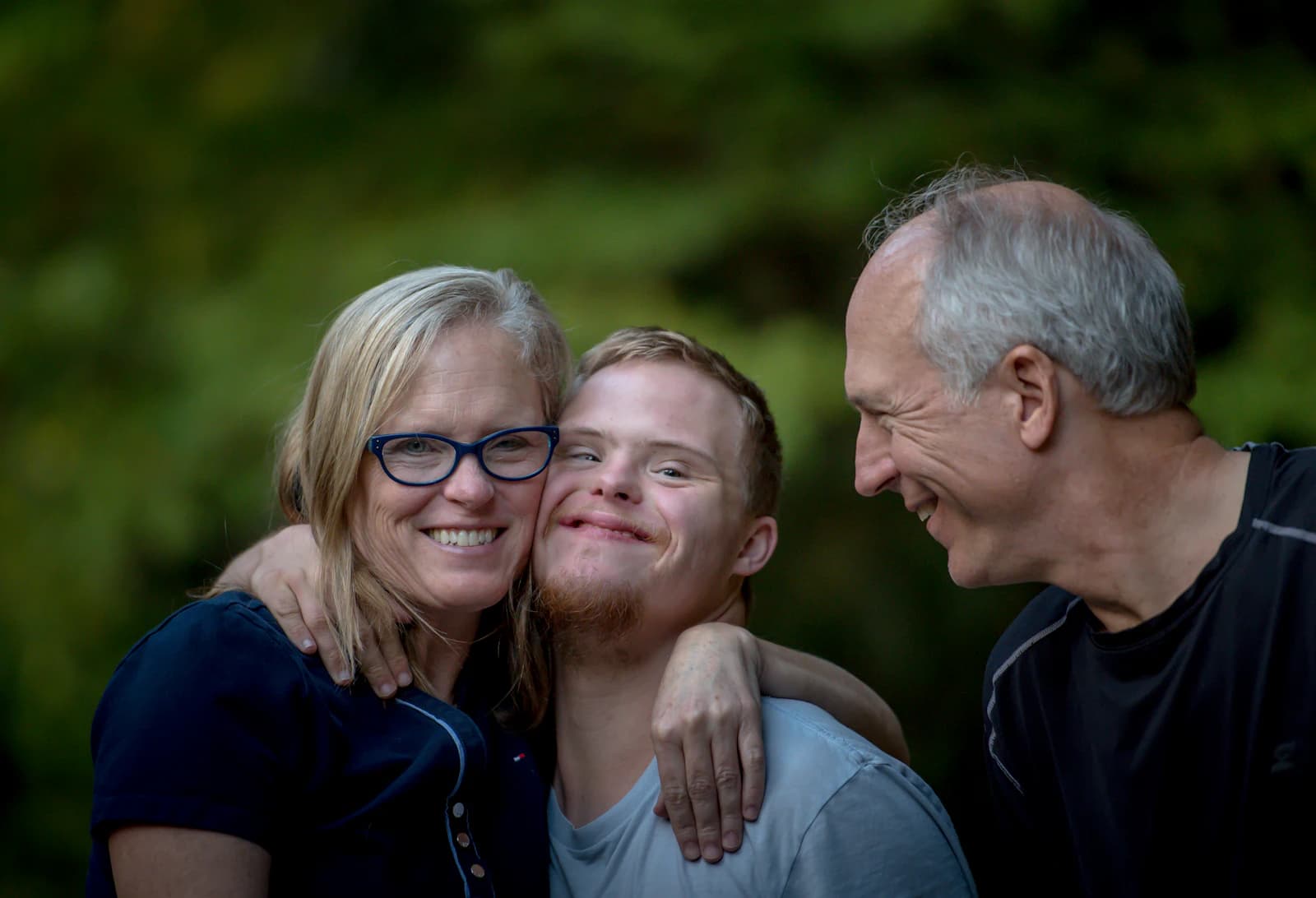
Teenagers and Adults
Support that respects the person's choices and grows their independence.

At Home or in Supported Living
Plans that work for the person, their family and the people who support them.
How We Choose Practitioners
We only pass your details to providers who meet all of these.
- Registered with the NDIS Quality and Safeguards Commission for specialist behaviour support
- Practitioners assessed as suitable by the Commission
- Taking new clients in your area right now
- Agree to contact you quickly, and we check that they did
How Behaviour Support Is Funded
Behaviour support is a capacity building support in an NDIS plan. Newer plans list it as its own Behaviour Support category; older plans fund it from Improved Relationships. However the plan is managed, it has to be delivered by a registered behaviour support provider.
Not sure what's in your plan? That's fine. The practitioner will go through it with you.
More on NDIS fundingFind Behaviour Support Near You
We take enquiries from families right across Australia, from Darwin to Hobart and Perth to Cairns. Choose your state or city, or put your postcode in the form.
Questions People Ask
Does it cost anything to use this service?
No. It's free for you. Providers pay us when we introduce them to someone, which is how we keep it free. They can't charge you more because they found you through us, and the NDIS pricing rules still apply.
Are you the NDIS, or a behaviour support provider?
Neither. positivebehavioursupport.au is an independent service that connects people with registered behaviour support providers. We're not part of the NDIA or the NDIS Quality and Safeguards Commission, and we don't deliver behaviour support ourselves.
Who are the practitioners?
We only work with providers registered with the NDIS Quality and Safeguards Commission for specialist behaviour support. Their practitioners have to be assessed as suitable by the Commission before they can write behaviour support plans.
What happens if the practitioner can't help?
We pass your details to another registered provider near you, one at a time, so you're not left waiting. Your details never go out to a group of providers at once.
Do I need an NDIS plan?
Most people we help have behaviour support funded in their NDIS plan, as a capacity building support. If you're still waiting on a plan or a review, you can still get in touch and a practitioner can talk you through your options.
I'm a support coordinator. Can I refer someone?
Yes. Use the referral form, or choose 'I'm a support coordinator or plan manager' in the questions above. Please make sure the participant or their nominee has agreed to the referral first.
Ready to Find a Practitioner?
It takes about two minutes, and it's free.